 Godoy Cruz Antonio Tomba
In the annals of Godoy Cruz Antonio Tomba, the year 2011 stands out as a beacon of achievement, marking a watershed moment in the club's history. It was the year when El Tomba made an indelible mark on the international stage by reaching the knockout stages of the Copa Sudamericana, an accomplishment that reverberated throughout Mendoza and beyond.
The journey began in the group stage, where Godoy Cruz was drawn into a competitive pool that included the likes of Universidad de Chile, a team with a rich history in South American football. The squad, led by the astute managerial skills of Jorge Da Silva, showcased a blend of youthful exuberance and seasoned experience, igniting hope among the passionate fans. Key players such as Cristian Fabbiani and Nicolás Olmedo delivered standout performances, demonstrating their ability to shine on a continental level.
As the group matches unfolded, Godoy Cruz displayed resilience and tactical acumen that surprised many critics. Their ability to adapt to the varying styles of play encountered across South America was a testament to Da Silva's coaching philosophy, which emphasized both defensive solidity and attacking flair. The team’s famous 2-0 victory over Universidad de Chile at the Estadio Malvinas Argentinas was a defining moment, showcasing their capability to compete with the continent's best.
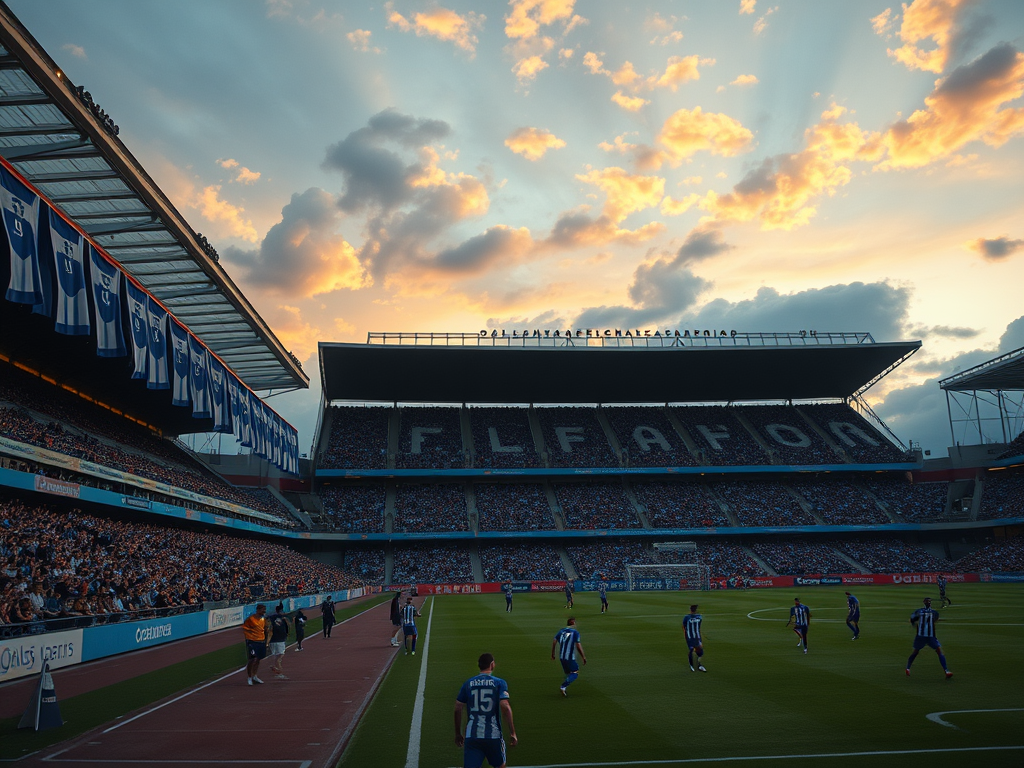
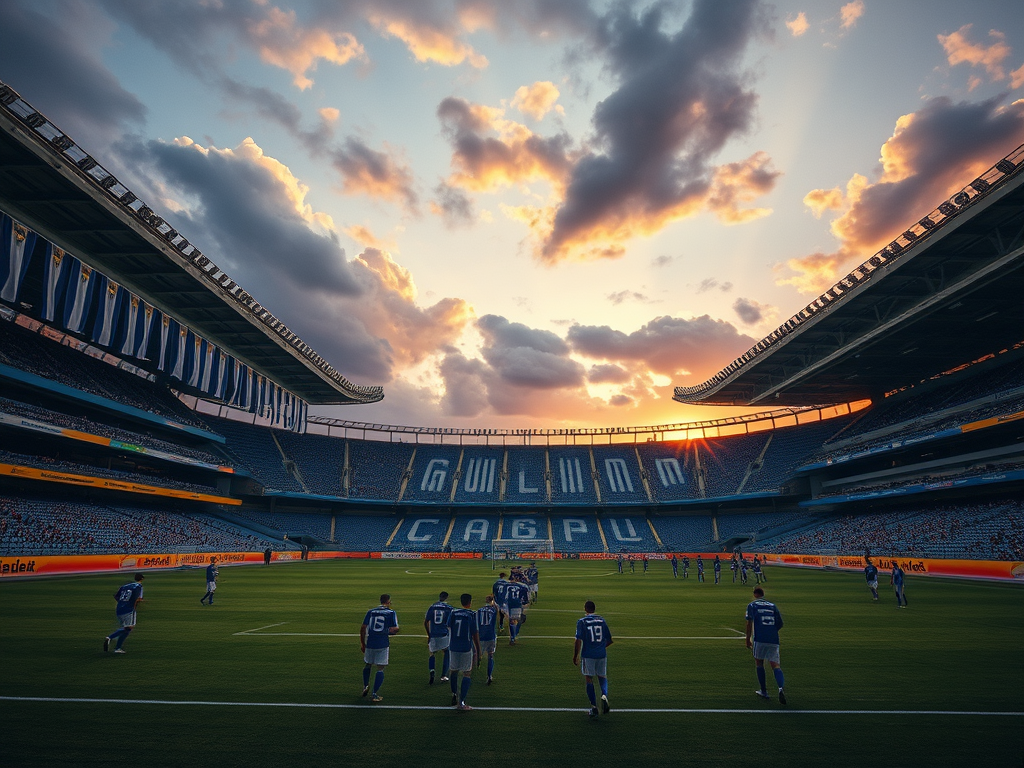
Reaching the knockout stages of the tournament was no small feat, especially for a club that had only recently established itself in the top tier of Argentine football. The atmosphere in Mendoza was electric; fans rallied behind their team, filling the stadium with chants and colors that echoed the pride and hope of a community. This newfound prominence in international competition not only elevated the club's profile but also strengthened the bond between the players and the supporters.
The knockout phase saw Godoy Cruz face off against the formidable side of LDU Quito. The matches were intense, with the team showing resilience but ultimately falling short on the away goals rule. Nonetheless, the club had made a statement: Godoy Cruz was no longer just a participant in Argentine football but a team capable of challenging established giants.
The legacy of Godoy Cruz's Copa Sudamericana run in 2011 continues to inspire future generations. It served as a reminder of what can be accomplished with determination, teamwork, and unwavering support from the fans. El Tomba's foray into international competition not only enriched their narrative but also ignited aspirations for future ventures into the continental arena, establishing a foundation for the club to build upon in subsequent years.